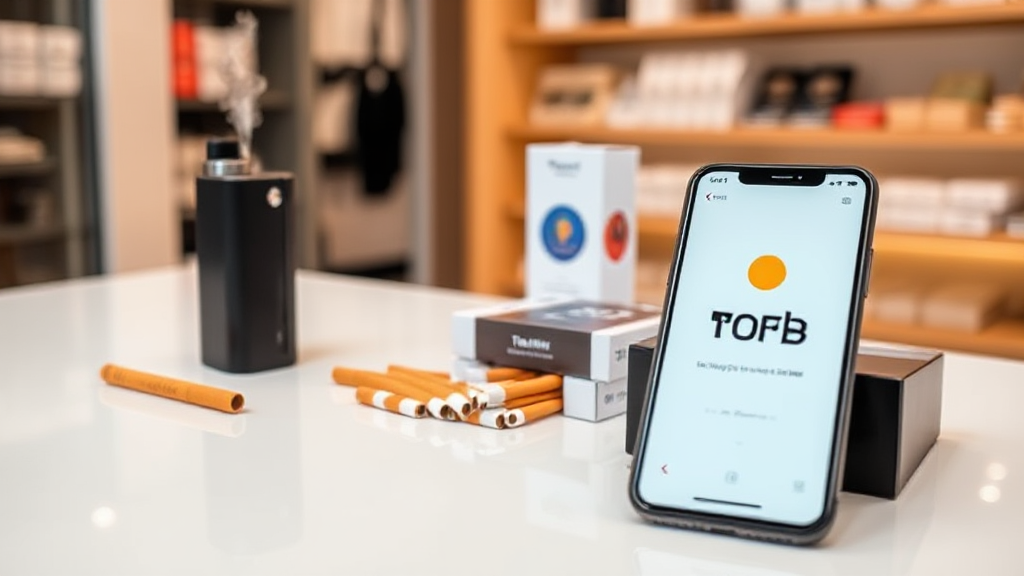
Choosing Terea Online: Which Realistic Option Fits You Best?
By the end of this short read, you will know exactly which realistic route to take when you decide to buy terea online, and you will be able to compare the options the way a trainer teaches beginners: one clear decision at a time. Most people who start looking for Terea sticks online do not actually have a product problem. They have a comparison problem. They see dozens of shops, several delivery promises, a handful of payment methods, and no simple way to tell which combination is genuinely worth their time. That is what I want to fix here.
I teach this the way I teach any beginner skill. First you learn what the thing is and what it is not. Then you learn the two or three variables that actually change the outcome. Then you pick the option that matches your own habits, not the option that looks most impressive in an advertisement. If you follow that order, the choice becomes boring in the best possible way: you stop second-guessing and you stop overpaying for things you will never use.
What Terea Sticks Are and Why the Online Route Exists
Terea sticks are consumable tobacco sticks designed for use with a compatible heat-not-burn device. They are not cigarettes and they are not vapes. That distinction matters for a beginner because it changes almost everything about how you shop. A traditional cigarette is a self-contained product: you buy it, you light it, you are done. A heat-not-burn stick is half of a system. The stick is the consumable, the device is the hardware, and the two have to match. When people search for Terea online, they are usually looking for the consumable half, and they often already own the device.
This is why the online route became the normal route. Physical retail is uneven. A shop near you may carry one variant and not another, or may stock the device but not the refill, or may simply be inconvenient to reach on a regular basis. Online sellers solved that by treating sticks as a repeat purchase rather than a one-off. You choose a variant once, you understand the delivery rhythm, and reordering becomes a two-minute task instead of an afternoon errand.
For a beginner, the practical takeaway is this: you are not shopping for a single product. You are shopping for a supply relationship. The quality of that relationship, meaning stock reliability, delivery speed, payment safety, and clarity of product information, matters more than any single discount you might see on a first order.
One more thing worth stating plainly, because beginners often get confused here. Terea is a brand of heated tobacco sticks, and the variants differ in flavour intensity, aroma profile, and sometimes strength. If you are switching from a different stick brand, do not assume the numbering or naming works the same way. Read the description of each variant rather than guessing from a label. That single habit prevents most first-order disappointment.
The Realistic Options You Are Actually Comparing
When people ask me how to compare Terea online, I tell them they are not comparing fifty shops. They are comparing four realistic options, and each one has a clear profile.
Option one: the large general marketplace. These platforms have huge reach and familiar checkout flows. The advantage is convenience and buyer protection. The disadvantage is that tobacco products are often restricted, listings change constantly, and you may not know who is actually fulfilling the order. For a beginner who values predictability, this is usually the weakest fit.
Option two: the local shop with an online presence. You may already know the store. The advantage is trust and the ability to ask questions. The disadvantage is limited stock, limited variants, and delivery that is really just a pickup with extra steps. This works if you live close by and buy rarely.
Option three: the specialist heat-not-burn retailer. This is a shop built specifically around devices and sticks, with European delivery and secure payment. The advantage is that the entire catalogue is relevant, the product descriptions are written by people who understand the category, and stock is managed around repeat buyers rather than one-time shoppers. The disadvantage is that you have to choose among specialist shops, which is exactly the comparison this article is about.
Option four: the grey-market reseller. This is the option that looks cheapest and costs the most. No clear returns, no reliable payment protection, no consistent stock, and no accountability if something goes wrong. I mention it only so you can recognise it and walk away.
If you are a beginner, the realistic shortlist is option three against option two. Everything else is either too unpredictable or too limited to be your main supply route.
How to Compare Specialist Shops Without Getting Fooled
Once you have narrowed the field to specialist retailers, the comparison becomes concrete. I teach beginners to score each shop on five variables, in this order, because this is the order in which problems actually hurt you.
Stock reliability first. A shop that has your variant in stock today but not next month is not a supply route, it is a lucky break. Look for a catalogue that covers multiple variants consistently rather than a shop that rotates wildly. Consistency is the single strongest signal that a retailer manages inventory properly.
Delivery coverage and speed second. If you are in Europe, you want a shop that treats European delivery as its core business, not as an afterthought. That usually means clear shipping information, realistic timelines, and tracking that works. A shop that is vague about delivery is telling you something important.
Payment safety third. Secure payment options are not a marketing line, they are the mechanism that protects you if an order goes wrong. Look for standard, recognised payment methods and a checkout that behaves the way you expect. If a shop only accepts unusual transfer methods, treat that as a warning rather than a bargain.
Product information fourth. A serious retailer describes each variant clearly: what it is, how it differs from similar options, and what device family it belongs to. Vague descriptions force you to guess, and guessing is how beginners end up with a box of sticks they do not enjoy.
Repeat-purchase experience fifth. This is the variable beginners ignore and experienced buyers care about most. Can you find your previous order quickly? Is the catalogue organised so you can reorder in seconds? Does the shop remember what you bought? A retailer that optimises for repeat buyers is a retailer that expects to keep you, and that expectation usually shows up in better service.
Notice what is not on this list: the biggest banner, the loudest discount, the flashiest design. Those things influence first orders. The five variables above determine whether you still have a supply route six months from now.
Matching the Option to Your Own Habits
Here is where the trainer part of this matters. A comparison is only useful if it ends in a decision that fits you. So instead of asking which shop is best, ask which profile you are.
If you are a steady, predictable user who buys the same variant at a regular interval, your priority is reliability and fast reordering. You want a specialist retailer with consistent stock and a checkout that takes seconds. You will not benefit from browsing a giant marketplace, and you will be annoyed by a local shop that runs out.
If you are still experimenting with variants and strengths, your priority is catalogue depth and clear descriptions. You want to see the full range in one place so you can compare without switching between five websites. A specialist catalogue is worth more to you than a small discount.
If you are switching from another stick brand, your priority is guidance. You want descriptions that explain differences rather than assume you already know them. Buy a small quantity first, confirm you like the variant, then commit to a larger order. This is the beginner mistake I see most often: buying in bulk before confirming the flavour profile is right.
If you are a light or occasional user, your priority is delivery speed and low friction, not bulk pricing. You will not save meaningful money by buying in volume, and you will lose it by ordering more than you use. Choose the shop with the simplest reorder flow and the clearest shipping terms.
If you are buying for the first time and you already own a compatible device, your priority is simply getting the right consumable. Confirm the variant, confirm the quantity, confirm the delivery window, and place the order. Do not overthink the first purchase. The goal of order number one is to learn how the shop behaves, not to optimise your lifetime spend.
This is the part most comparison articles skip. They rank shops. What you actually need is a mapping between your habits and a shop profile. Once you have that mapping, the ranking becomes obvious.
Common Beginner Mistakes and How to Avoid Them
I have watched a lot of beginners go through this process, and the same mistakes repeat. Here they are, with the fix for each.
Mistake one: assuming all sticks are interchangeable. They are not. Variants differ, and device compatibility matters. Fix: read the product description and confirm the stick belongs to the device family you own before you order.
Mistake two: chasing the lowest price. The lowest price usually comes from the least accountable seller. Fix: compare total cost including delivery and payment safety, not just the headline number on the product page.
Mistake three: buying in bulk on the first order. You do not yet know whether you like the variant or how the shop performs. Fix: place a modest first order, evaluate the delivery and the product, then scale up.
Mistake four: ignoring delivery terms until something goes wrong. Fix: read the shipping information before checkout, not after. Confirm the delivery window and the tracking method.
Mistake five: using an unsafe payment method to save a small amount. Fix: use recognised, secure payment options. The protection is worth more than the saving.
Mistake six: not checking that the shop focuses on your category. A general e-commerce site that happens to list tobacco products will not manage stock, freshness, or compliance the way a specialist does. Fix: prefer a retailer whose entire catalogue is relevant to heat-not-burn devices and sticks.
Mistake seven: treating the first order as the final decision. Fix: treat it as a test. If the shop delivers on stock, speed, payment safety, and clarity, you have found your supply route. If it does not, you have lost one small order and learned something useful.
If you avoid these seven, you are already ahead of most first-time buyers. The rest is repetition.
Your Decision Path From Here
Let me close the way I open every beginner session: with the outcome in plain language. By now you should be able to look at any shop offering Terea online and place it into one of the four realistic options within about thirty seconds. You should be able to score a specialist retailer on stock reliability, delivery, payment safety, product information, and repeat-purchase experience. And you should be able to match the shop profile to your own habits rather than to whatever the homepage is shouting about.
If you want to move from theory to practice, the sensible next step is to look at a specialist catalogue built specifically around heat-not-burn devices and sticks, with European delivery and secure payment options. That is the profile that fits most beginners, and it is the profile worth testing first. Place a modest order, watch how the shop behaves, and let the delivery experience answer the questions this article raised.
One final note for the long term. The category changes. Variants come and go, devices get updated, and delivery expectations keep rising. The specific shop you choose today may not be the shop you choose in three years, and that is fine. What should stay constant is your method: verify stock, verify delivery, verify payment safety, read the product description, and buy a small quantity before you commit. That method does not expire, and it does not depend on anyone’s marketing.
Learn the comparison once, and every future purchase becomes a two-minute decision. That is the real result of this exercise, and it is worth more than any single discount you will ever find.